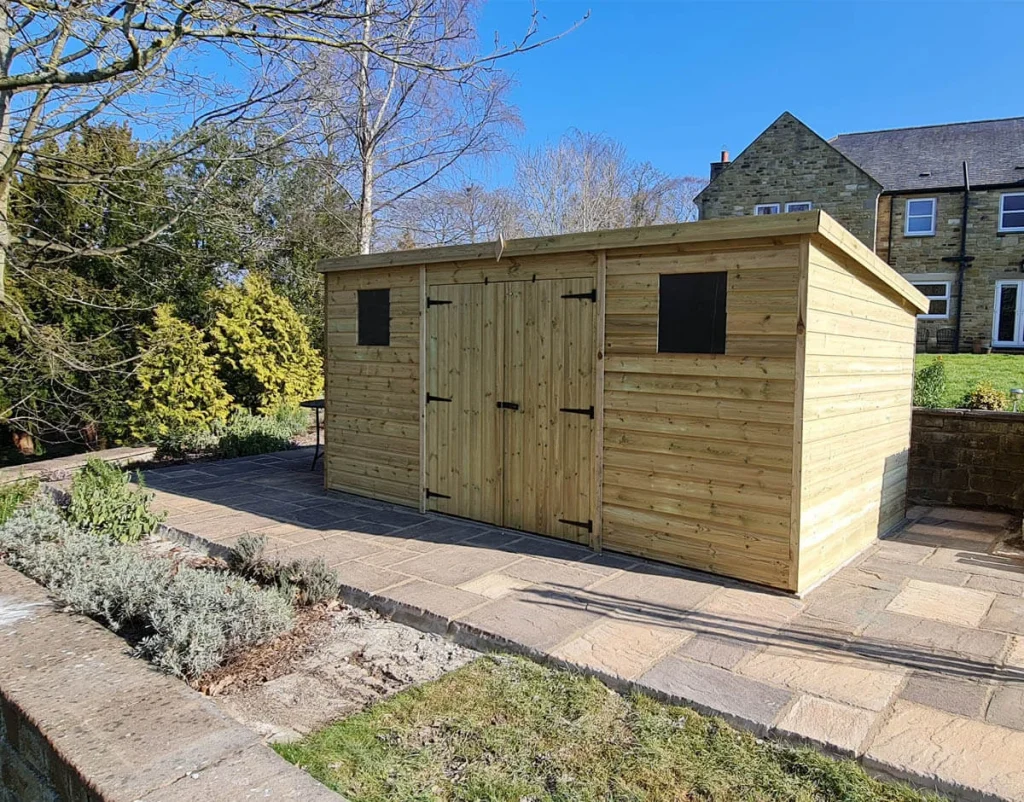
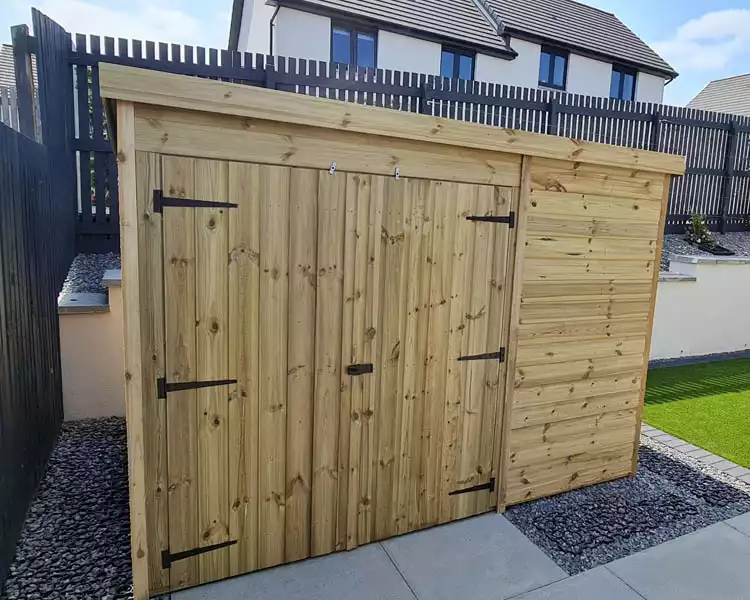
What makes it good?
When made correctly it will be very strong and will provide a very level base for your shed. This will last a long time and will help extend the life of your shed as it will help prevent movement in the floor and shed.
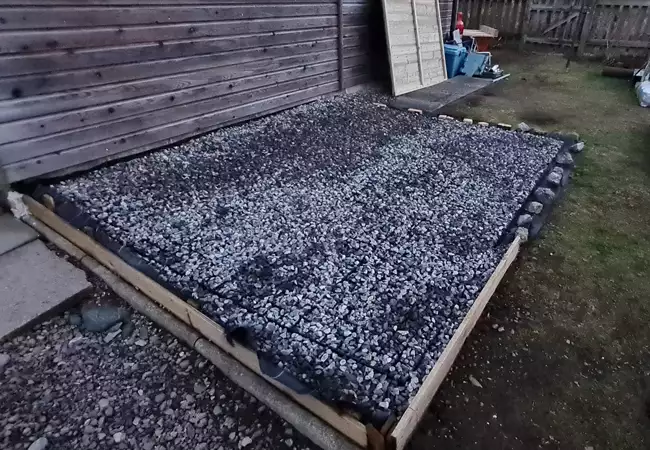
What makes it good?
It is fairly cheap to buy and is readily available on Amazon. It can be built quickly and the gravel levels the areas quickly and a level base is key to a good shed base.
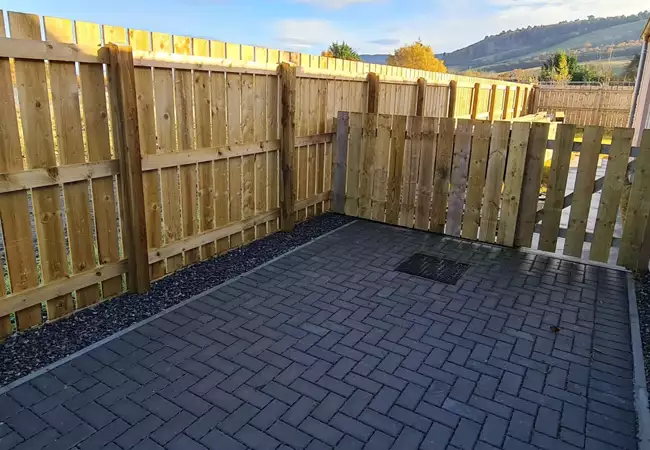
What makes it good?
This provides a good solid base that is level and helps prevent floor movement. The gaps between the blocks help provide drainage to keep water away from your base.

What makes it good?
It is fairly cheap to make and is a good way of getting your base level. It also creates a solid fixing point for your floor boards or flooring batons, depending on how you wanted to put it together. In the example above the horizontal beams will run opposite to the shed floor battens making the platform a solid base to sit the shed on.

What makes it good?
Sleepers are very strong and when placed fairly close together, as shown in the image above, the base is very solid and prevents floor movement.

What makes it good?
These tend to be very solid and very flat when installed correctly. Having a level base is key to the life of your shed and this helps prevent movement in your floor.
What makes it good?
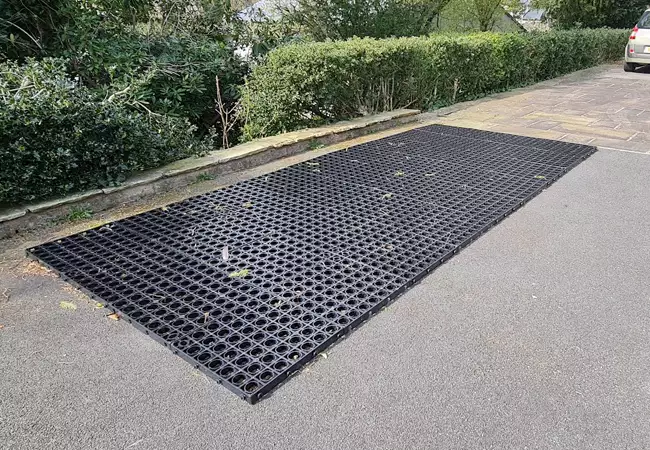
If you have a hard standing like tarmac, like in the image above, honeycomb plastic as a base on it's own is good as it raises your shed off the ground and help water drain away from your shed and keeps the bottom clear of water. This will help with the life of your shed, however, what it sits on must be level.
What makes it good?
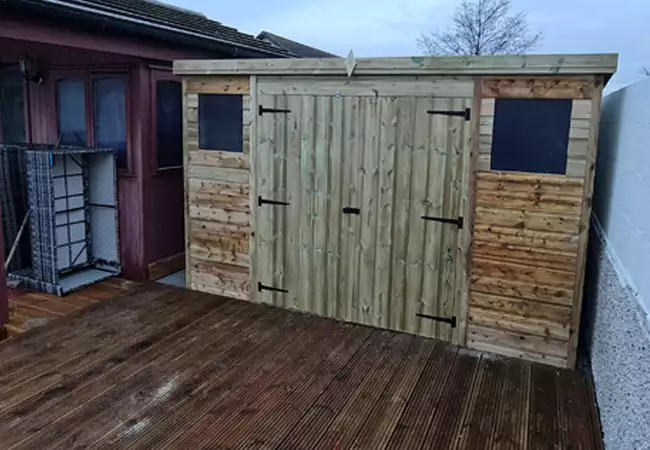
Decking is good as it has grooves in it for ventilation and helps drain water way. Decking is level when made correctly and is a nice solid base to sit your shed on.

What makes it good?
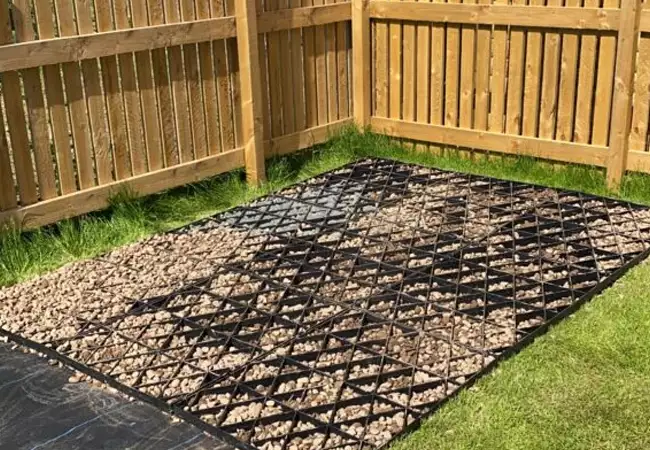
The frame contains the gravel well and lifts the shed off the ground and the gravel helps the shed finds it's level and will always drain very well. It is relatively cheap to install also.
What makes it bad?
If the gravel is patchy or overfilled you may find that it creates uneven areas on the base,
What makes it bad?
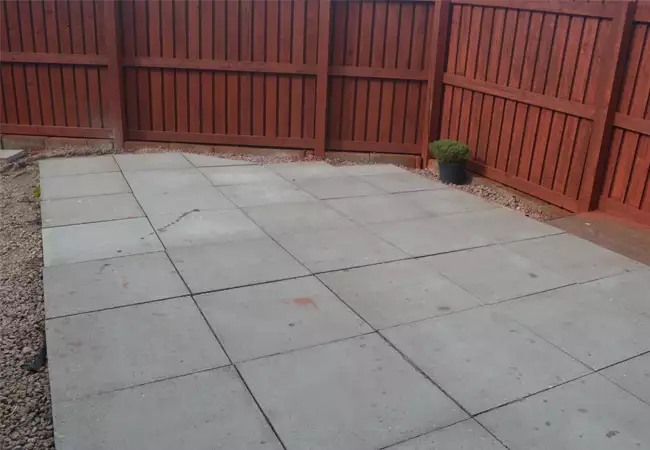
If the paving slabs are not well laid and they are not level consistenly across the entire base you get a lot of inconsistencies in the levels of the base which affects how well the shed sits on the base and you will find the floor will rise and fall in places.

What makes it bad?
The sleepers must be level and well set. In the example above sleepers are inconsistently placed, not level and not fixed or set in any way. Also, a drawback with sleepers is their height off the ground. If you need to wheel things into your shed this can cause problems.
What makes it bad?
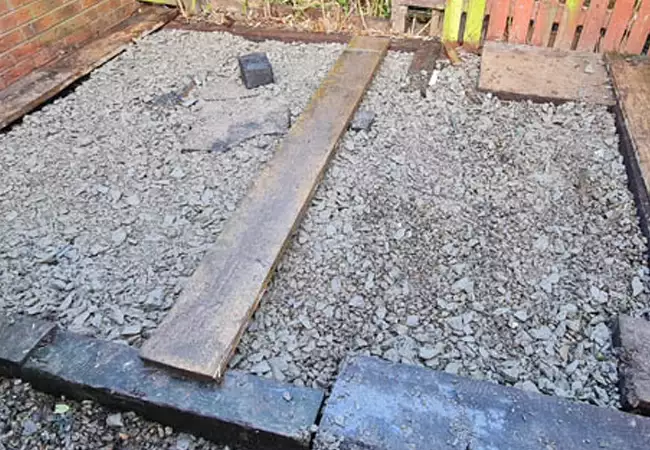
In this instance, the framing wood was not connected in any way, the gravel wasn't level and when weight was placed on the gravel it pushed the framing wood outwards. This created a lot of movement in the floor, which will affect the life of the shed. If you want to make a wooden frame and fill it with gravel as a base for your shed use the same sized wood and make sur eth level of the gravel is up to the top of the wooden frame.

What makes it bad?
They can be different thicknesses and they will not sit level if the ground they are sitting on is not level either. The batons on our shed floors are set 12" apart and this type of base cannot guarantee these dimensions and this will create movement in the floor and affect the life of your shed. This is an example of one of the worst shed bases we have encountered.

What makes it bad?
With the best will in the world your grass will not be level and it will get wet and muddy, which will create a constantly changing floor surface and your floor will often be wet all the time, especially living in Scotland and this will directly affect your OSB flooring.

What makes it bad?
Dirt will get wet and turn to mud and your shed will inevitably sink into the mud. If there was land fabric laid over the top of the mud you might get away with it, but this ideally is an absolute no no for a shed base.
What makes it bad?
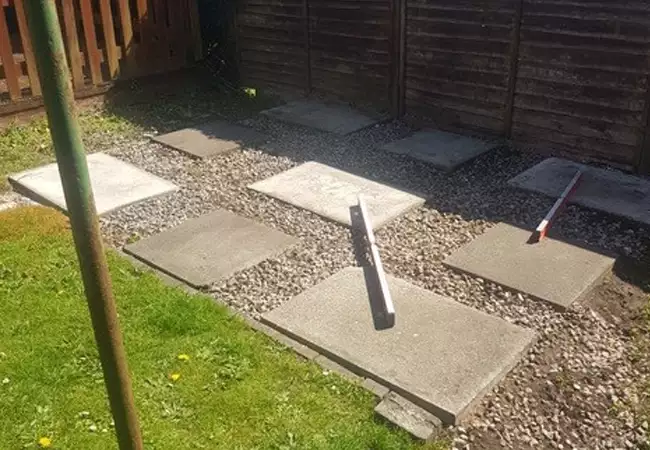
In this case the slabs do not align with all of the battens on the shed floor and the gravel is not raised to the level of the slab tops. This makes the base very uneven and the floor will not sit flat and will move a lot. This would affect the life of your shed.
What makes it bad?
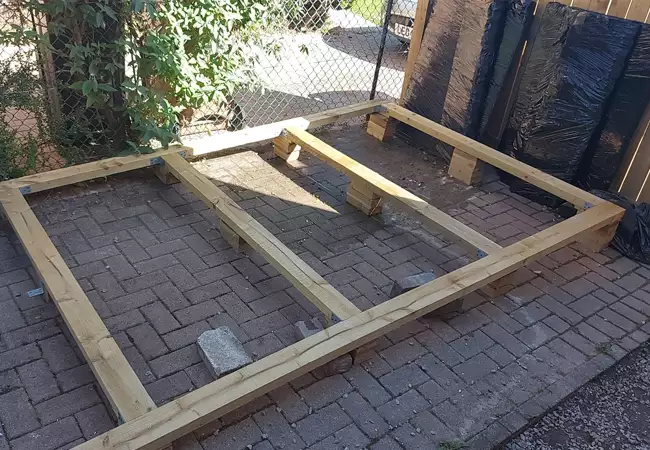
This base is not adequate for holding a shed. The floor battens would not have any support in the middle of the frame and would make the floor bend and eventually break. If this had supports across the gaps that oppose the direction of the floor battens this would be more suitable as a shed base.